Call/Text (251) 979-9396 or Click Here to Book Now!

At Gone Coastal, we believe in the quality and integrity of these products.




Gone Coastal Plumbing and Air provides AC repair, HVAC replacement, heating service, heat pump service, HVAC maintenance plans, indoor air quality solutions, duct cleaning, dehumidification support, and system diagnostics for homes and businesses across Foley and Baldwin County. In coastal Alabama, HVAC problems often involve long AC run times, humidity control, clogged condensate drains, dirty coils, salt-air exposure, and equipment strain during summer travel season.
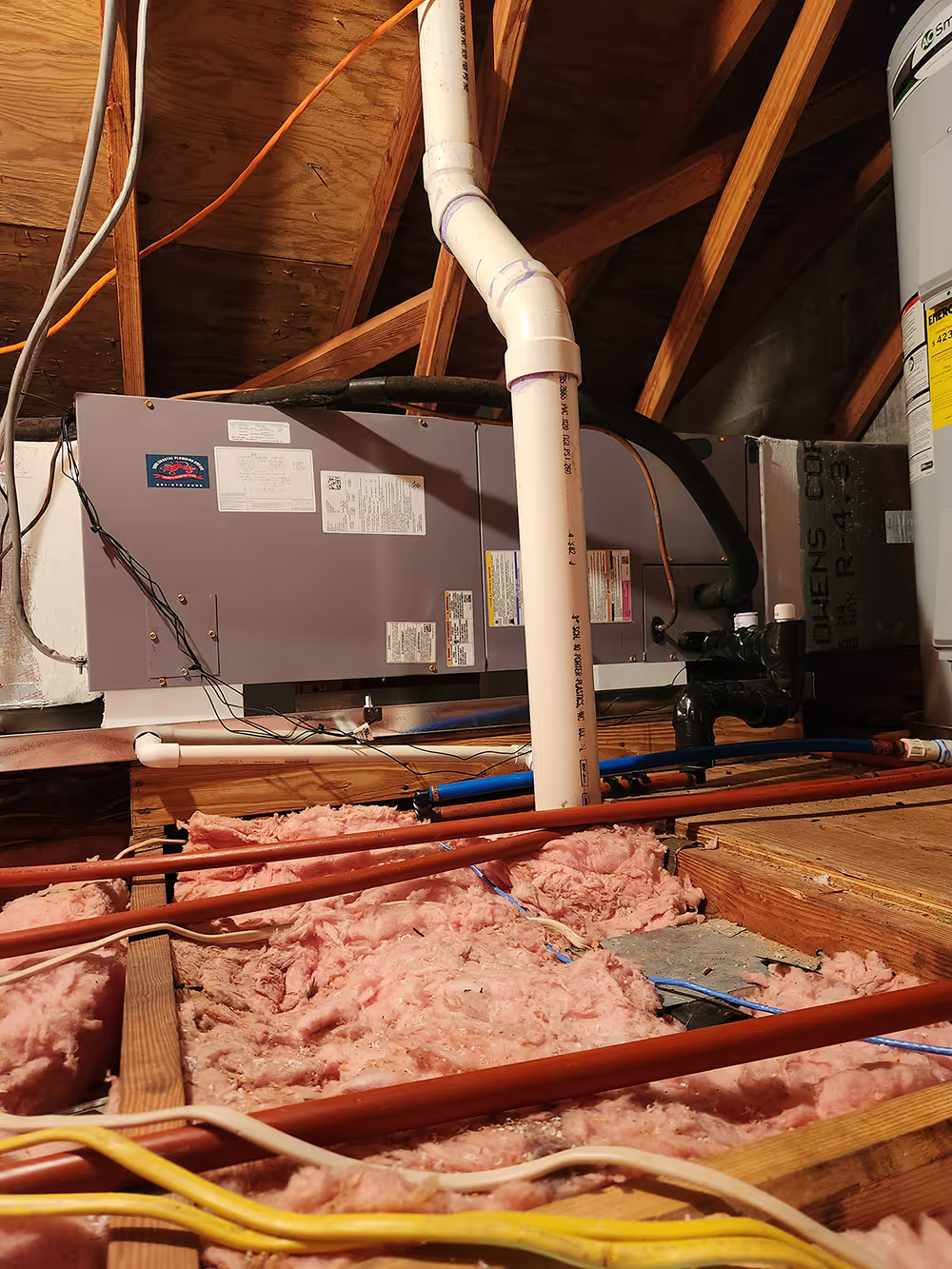
Water leaking from an indoor AC unit, attic air handler, or ceiling vent often points to a condensate drain issue, drain pan problem, frozen coil, or airflow restriction. In Gulf Coast homes, humidity makes the AC remove a large amount of moisture, so drainage problems can show up quickly. This can become urgent if water is near ceilings, insulation, flooring, electrical areas, or finished walls. A clogged drain or frozen coil can also cause the system to shut down or continue leaking until the underlying cause is corrected. Do not open the air handler, pour chemicals into drain lines, or keep running the system if water is actively leaking into the home. Request HVAC diagnostics so the drain, coil, airflow, and safety switches can be checked properly.
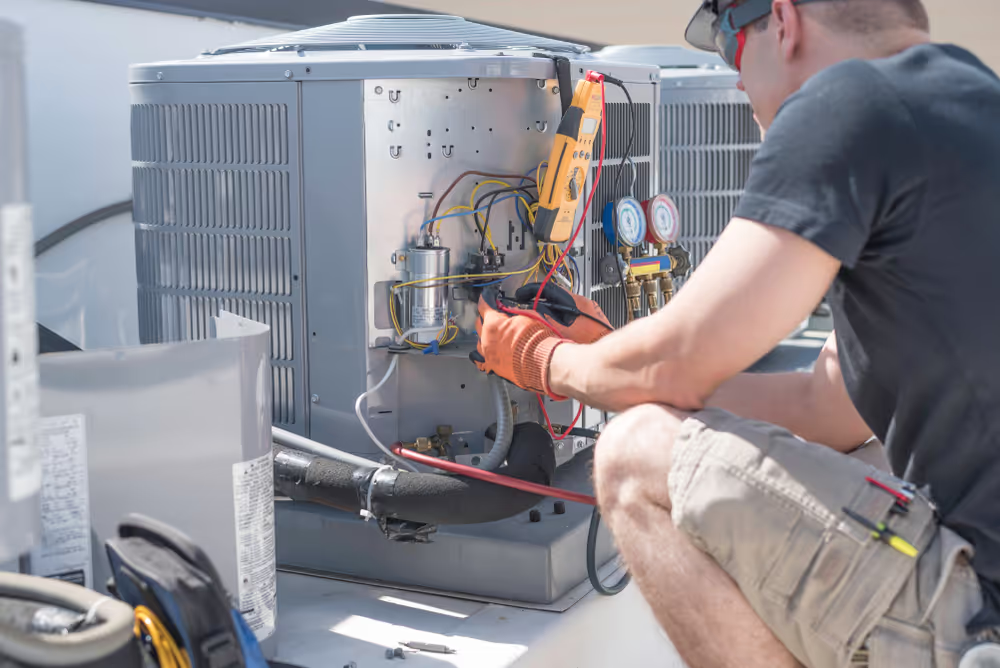
If your AC is blowing warm air after hours in Baldwin County, the safest next step is to request emergency HVAC service, especially if indoor temperatures are rising, humidity is high, or someone in the home is sensitive to heat. Warm air can come from airflow restrictions, coil problems, electrical failures, compressor trouble, thermostat issues, or refrigerant-related problems. These issues require proper testing and should not be treated as a DIY repair. Refrigerant work, electrical diagnostics, and internal HVAC repairs should only be handled by a licensed professional. You can safely confirm the thermostat is set to cooling and make sure vents are not blocked. Do not remove panels, bypass switches, or keep cycling the system if it is not cooling. Request urgent service and describe what the system is doing.